In retail, you don’t get minutes—you get seconds.
That’s the window to stop a shopper, communicate value, and close the gap between interest and purchase.
At that critical moment, point-of-purchase (POP) displays do the heavy lifting. When executed properly, they don’t just attract attention—they convert it into action.
Too often, brands treat POP as decoration. In reality, these displays function as engineered sales tools, built to perform under real store conditions, at scale, and on deadline.
Execution is what separates impact from noise. Clear messaging, structural integrity, and speed to market ultimately determine whether a display drives lift—or gets ignored.
What Is a POP Display? (And Why Brands Still Get It Wrong)
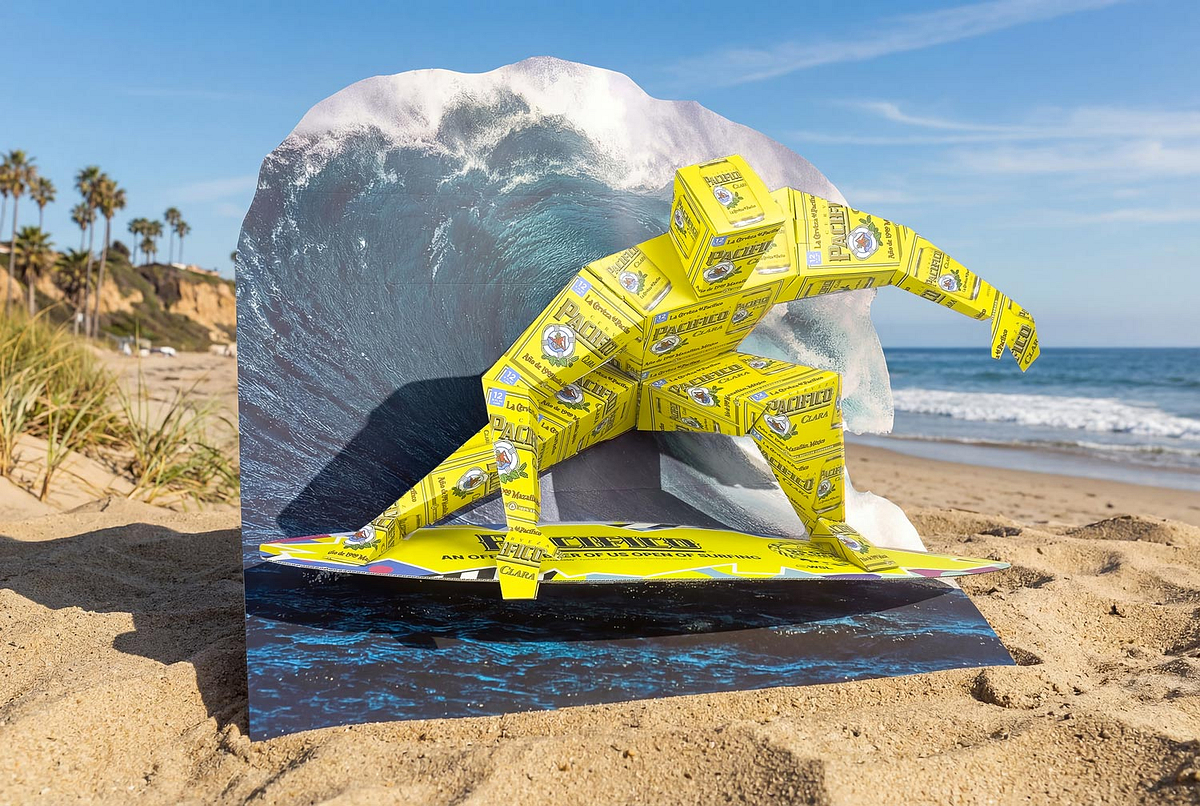
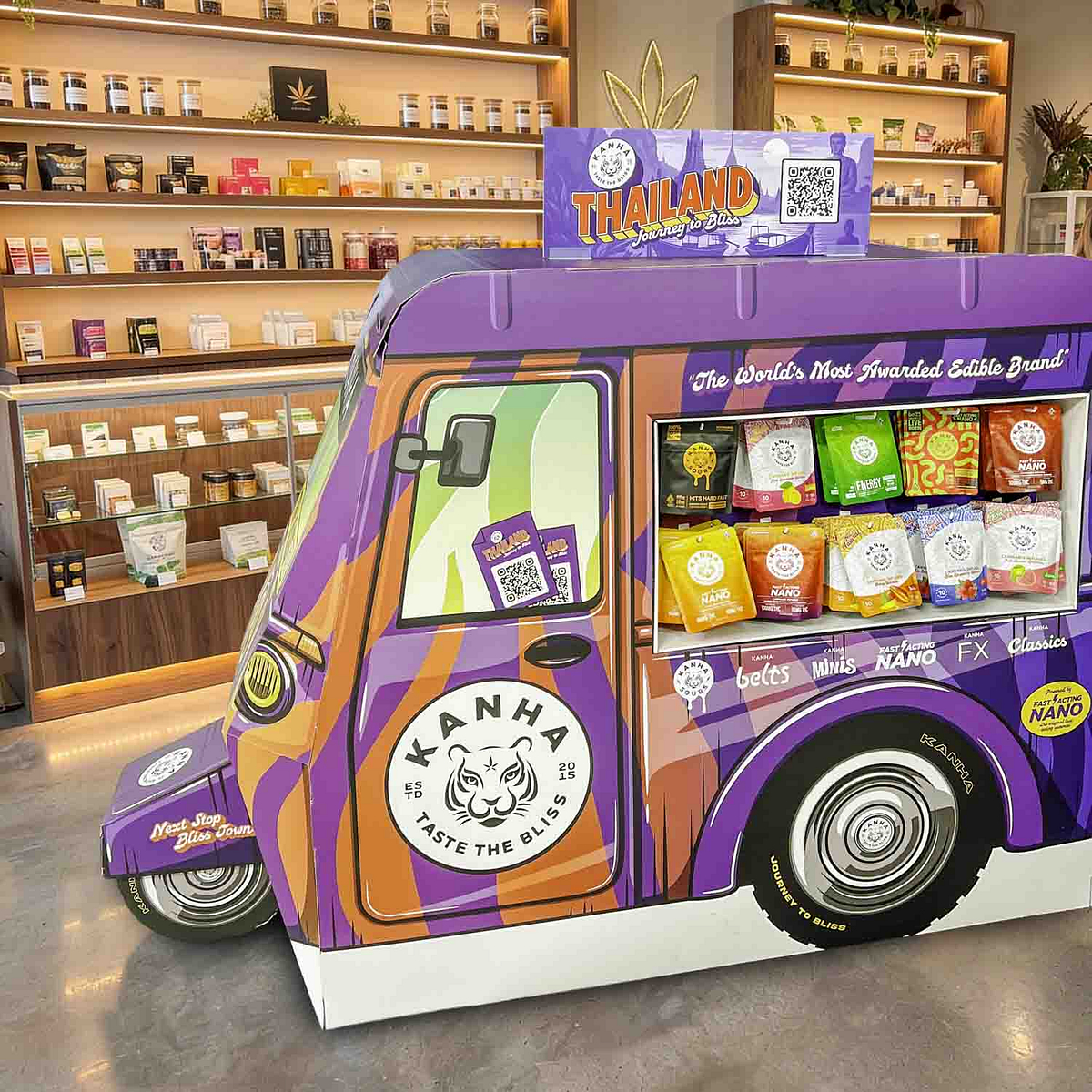
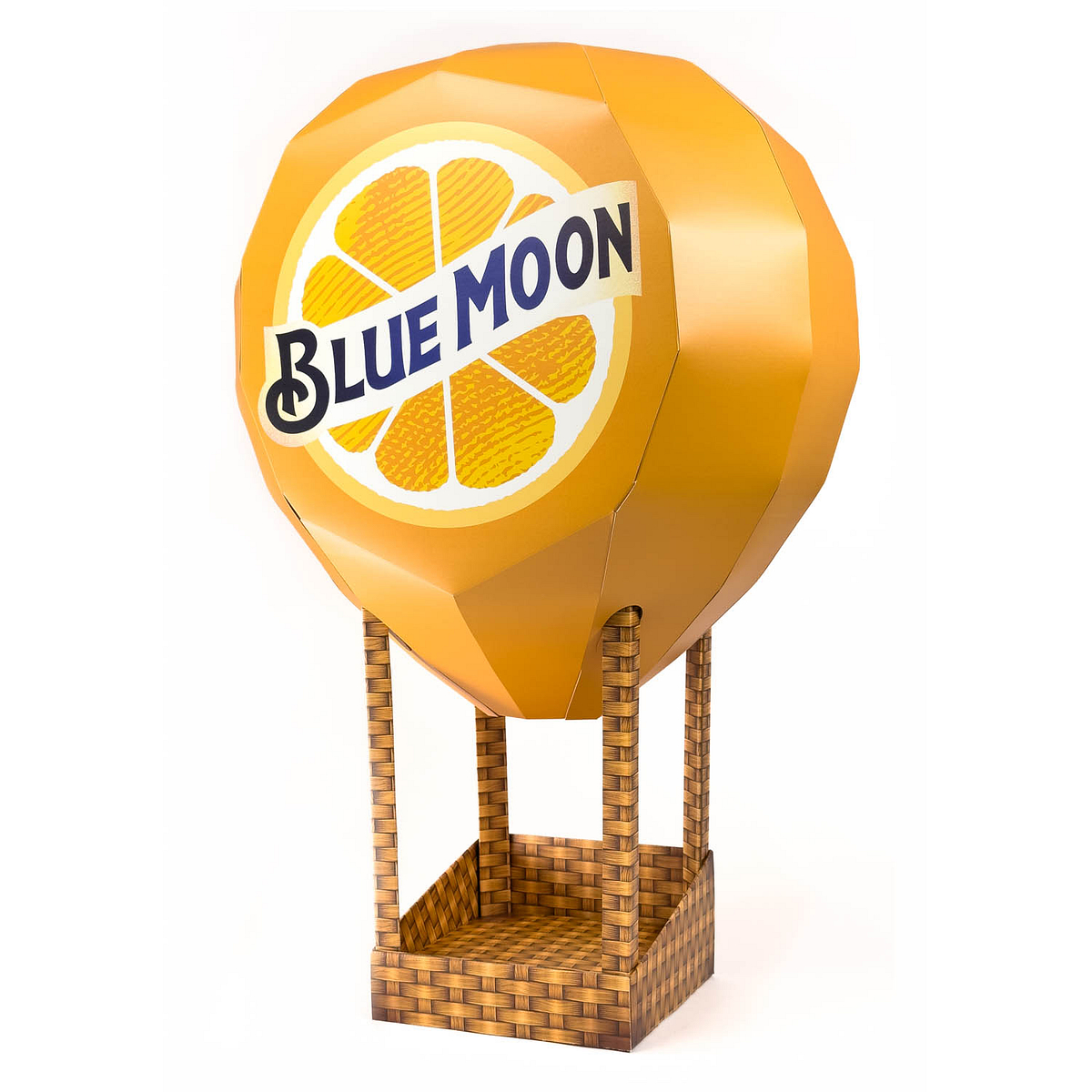
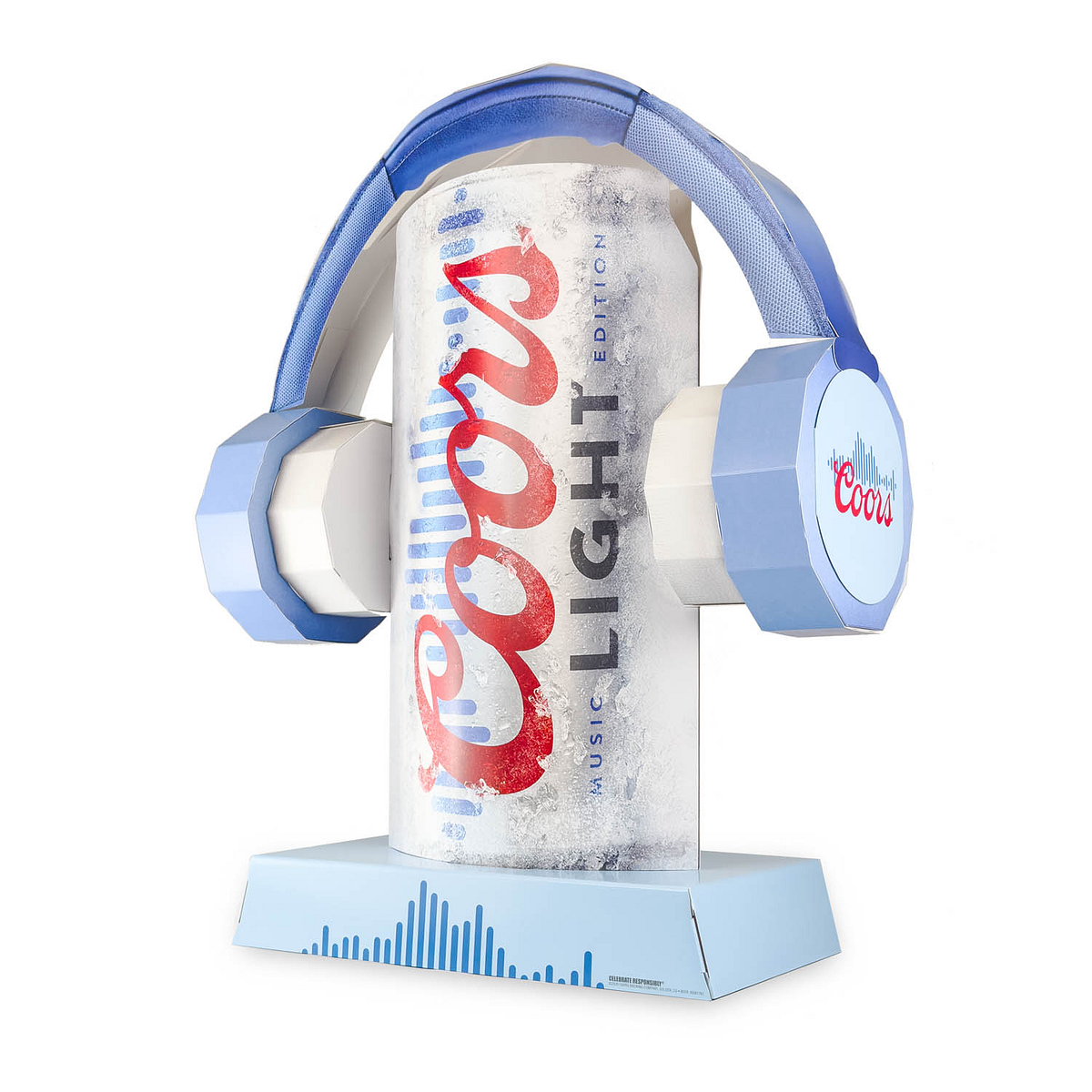
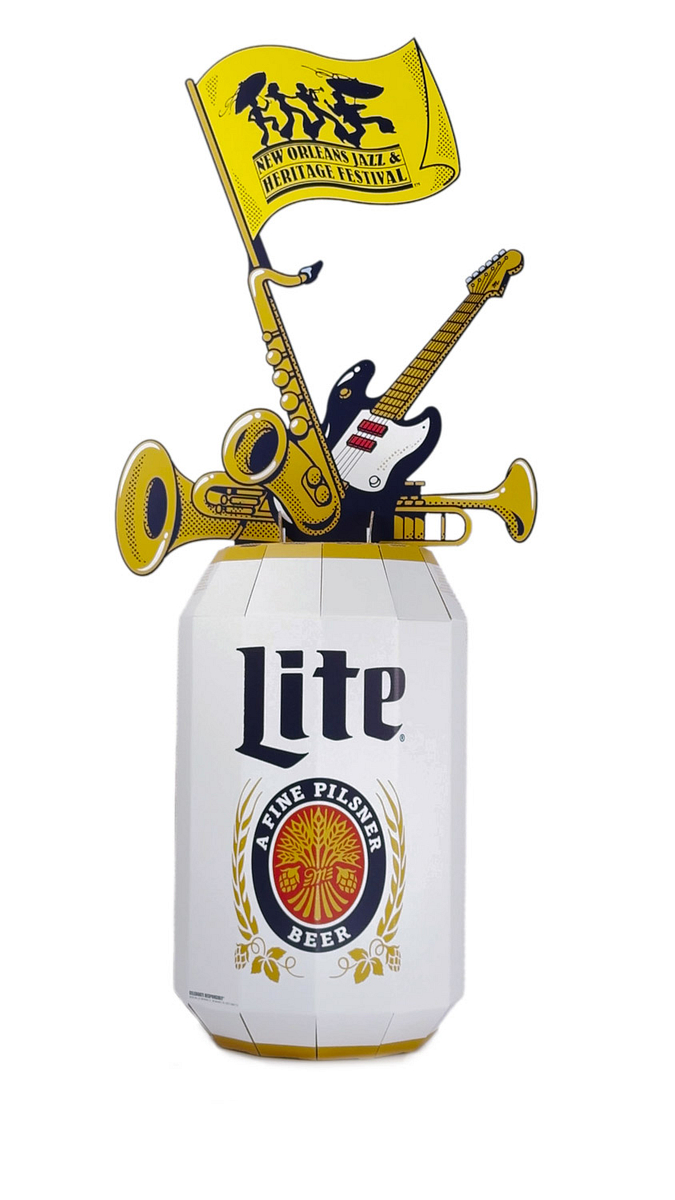
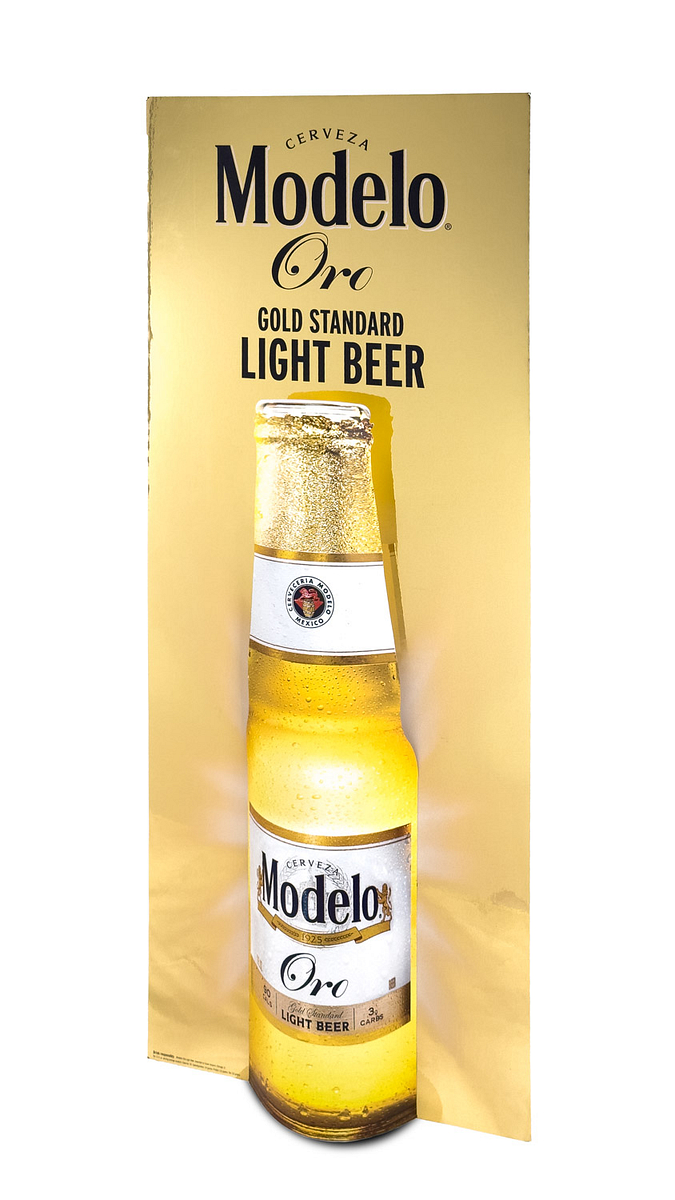
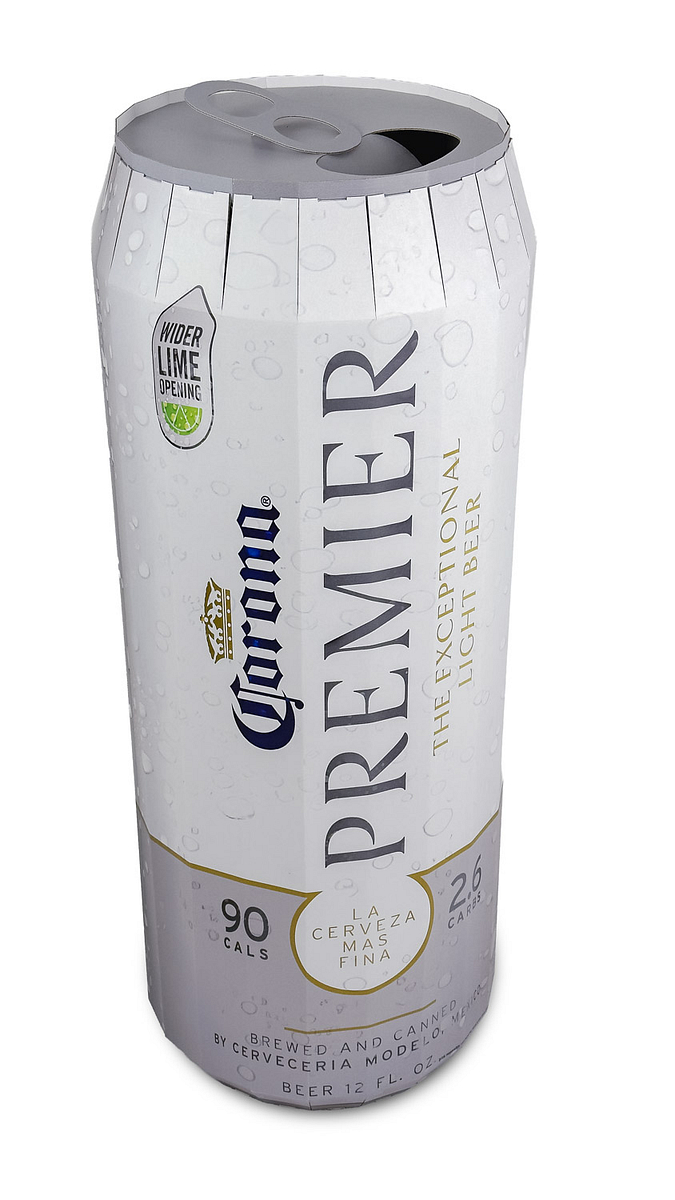
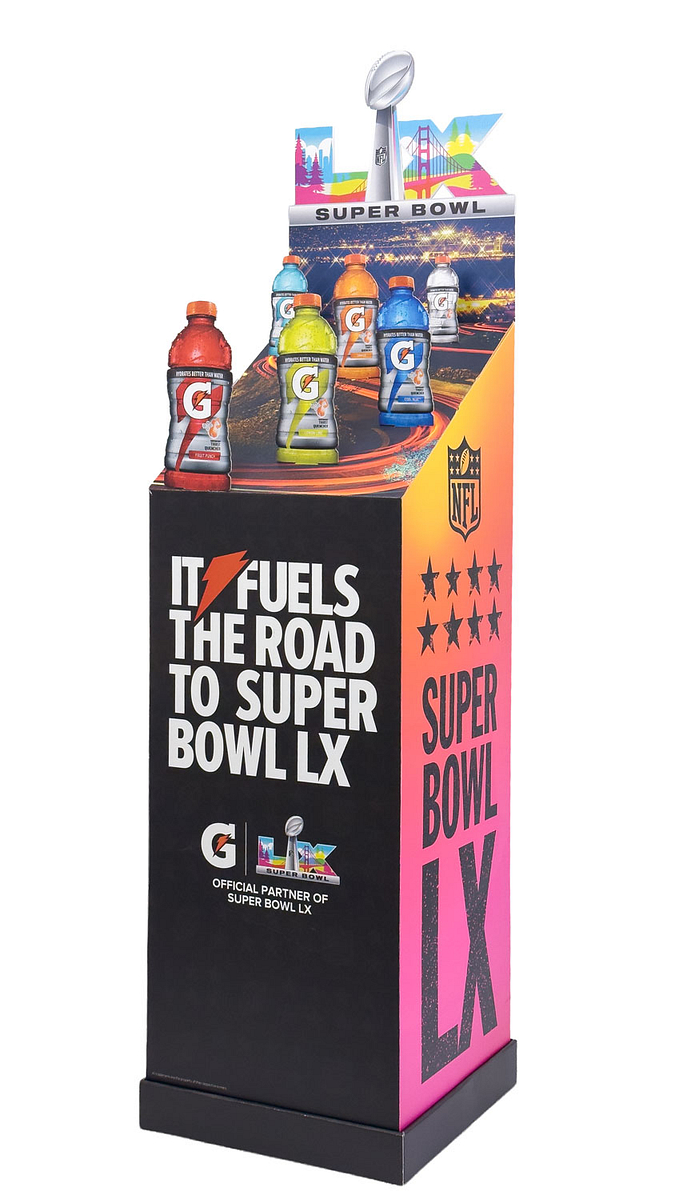
A POP (point-of-purchase) display refers to any branded fixture positioned at or near the buying decision zone, including:
- End caps
- Floor displays
- Pallet displays and wraps
- Cooler programs
- Base wraps
- Standees
While the definition is straightforward, performance is not.
Influencing shopper behavior requires more than visibility. Strong POP programs are built around clarity, durability, compliance, and scalability. Miss any one of these, and execution breaks down fast.
Why POP Displays Matter More Than Ever
Retail environments have never been more competitive. Packed shelves and shortened attention spans leave little room for passive branding.
Strategically deployed POP displays help brands:
- Capture attention in high-traffic zones
- Break through shelf clutter
- Reinforce brand identity and positioning
- Support promotions and product launches
- Generate incremental sales without added media spend
For many products, the in-store display becomes the final conversion point—making it one of the most valuable assets in the marketing mix.
What Makes a POP Display Effective?
Not every display performs equally. Results depend on how well each component works together in the field.
Five factors consistently separate high-performing POP from the rest:
Visibility
Placement and scale must interrupt the shopper journey immediately.
Message Clarity
Within seconds, the offer should be obvious—no interpretation required.
Structural Design
Displays need to hold form under constant interaction and movement.
Material Selection
Each substrate serves a purpose depending on environment and duration.
Execution at Scale
Consistency across locations determines whether a program succeeds nationally or fails locally.
Built for Retail Reality (Not the Concept Deck)
Concept renderings rarely account for what actually happens in-store. Foot traffic, handling, and environmental conditions quickly expose weak design decisions.
That’s why every POP program at Direct Edge is developed with real-world variables in mind. Creative direction, structural engineering, production planning, and logistics are aligned from the start.
Balancing visual impact with manufacturability ensures displays are not only compelling—but also practical to produce, ship, and install.
In-House Production = Speed, Control, Consistency
Maintaining quality across a large rollout requires eliminating as many variables as possible.
By keeping design, print production, and finishing under one roof, Direct Edge delivers:
- Consistent color across all components
- Faster turnaround times
- Greater flexibility when timelines shift
- Reliable quality control at every stage
Whether producing corrugated displays, rigid builds, or hybrid structures, this approach ensures predictable results—even at high volume.
Scaling POP Displays Across Multiple Locations
Rolling out a POP program across dozens—or hundreds—of locations introduces complexity fast.
Beyond production, successful execution depends on:
- Kitting and co-packing
- Inventory management
- Coordinated distribution
- Versioning by retailer or region
- On-time delivery across all locations
Direct Edge supports the entire lifecycle, ensuring each display arrives ready for installation and aligned with brand standards.
Materials Matter: Choosing the Right Build
Material selection directly impacts performance, cost, and longevity.
Common options include:
- Corrugate — Lightweight and cost-effective, ideal for short-term promotions
- Rigid substrates — Durable with a more premium finish, suited for longer campaigns
- Hybrid builds — Combine materials to achieve both structural strength and visual impact
Selecting the right combination depends on campaign duration, environment, shipping requirements, and budget constraints.
Built to Perform—Not Just Look Good
Visual appeal alone doesn’t move product. Durability, clarity, and consistency ultimately determine whether a display delivers results.
Well-executed POP programs:
- Maintain integrity throughout the campaign lifecycle
- Withstand high-traffic retail environments
- Present a consistent brand experience across locations
- Drive measurable sales lift
At Direct Edge, the focus stays on performance. Every display is built as a functional retail tool—not just a visual asset.
Ready to Build a POP Program That Scales?
Improving in-store conversion, accelerating rollout timelines, and maintaining consistency across locations all require the right partner.
From creative and structural design to print production, kitting, and national distribution, Direct Edge delivers POP displays built for retail reality.